
Six production plants and corporate offices affected
Move targets 7% headcount reduction
Cost pressures and private label competition drive cuts
The restructuring at Nestlé Spain reflects a broader structural shift within the consumer goods industry. Faced with rising operational costs, the aggressive growth of private labels, and a pressing need for efficiency, the Swiss multinational is pivoting toward a more digitized, high-margin model to protect profitability.
A structural shift for operational efficiency
Barcelona, 21/04/26
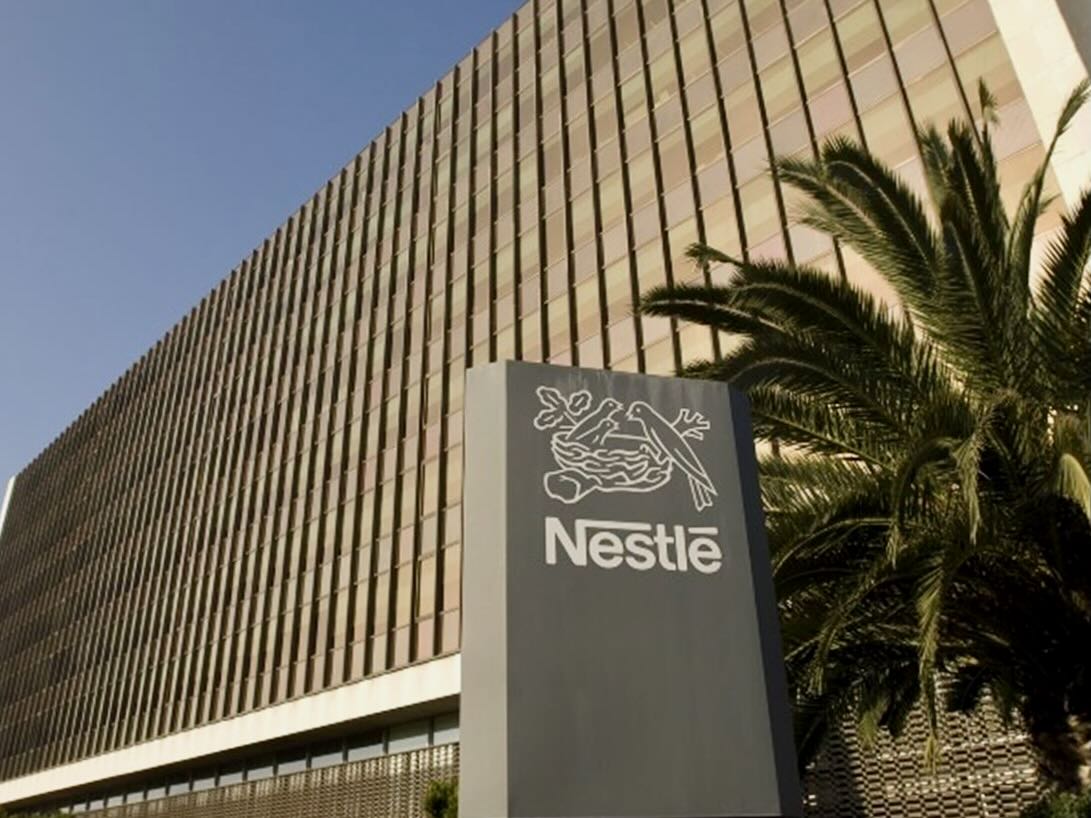
Nestlé has announced its intention to launch a collective redundancy procedure (ERE) affecting up to 301 employees in Spain, representing just over 7% of its local workforce.
The downsizing impacts corporate offices, sales teams, logistics centers, and several manufacturing sites. This decision aligns with the company’s global mandate to adapt its structure to a more volatile and competitive consumer landscape.
This measure is part of a global plan by the Swiss food giant to reduce its headcount by 16,000 positions worldwide, aiming to bolster operational efficiency and ensure long-term profitability. In Spain, the company maintains that the adjustment is vital to remain viable in a market characterized by tightening margins and intense competition. With a €2,894 million turnover in 2025 and a staff of 4,158, Nestlé remains a dominant force in the Spanish food market, yet it faces an environment that demands structural rigor to sustain its leadership.
Industrial impact across six key facilities
The labor adjustment will impact specialized production centers across strategic categories.
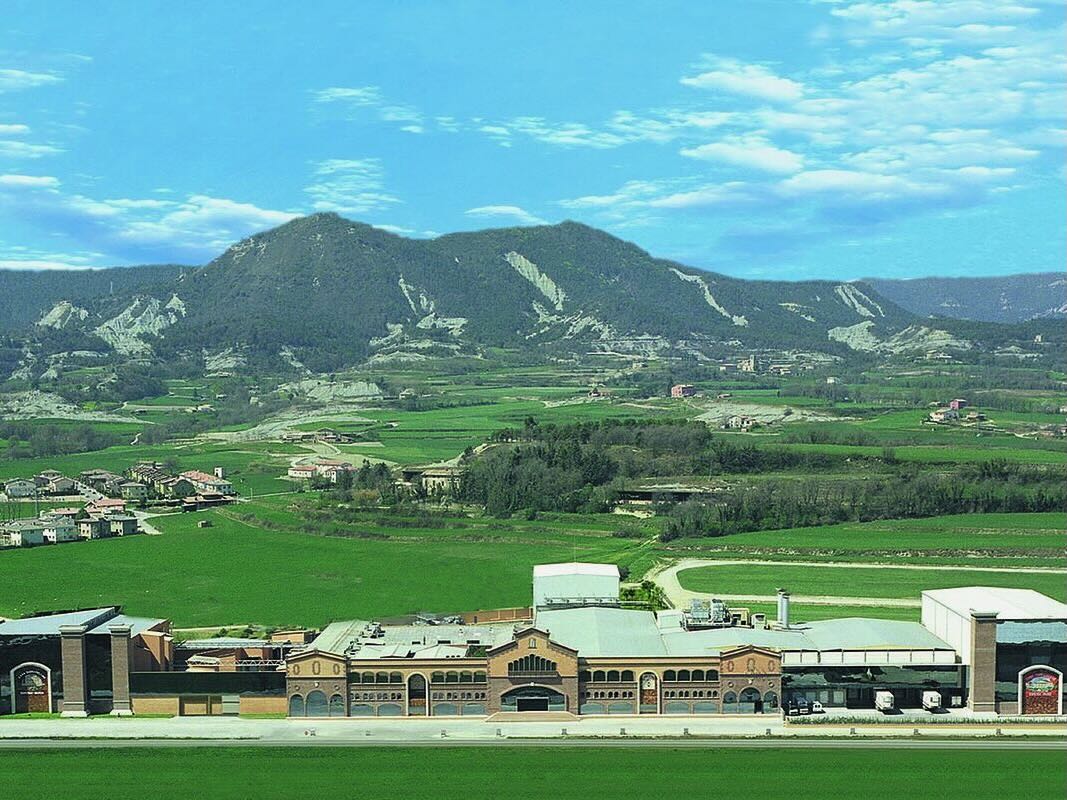
Key facilities affected include Pontecesures (condensed milk), Sebares (infant nutrition), La Penilla (chocolate and soluble cocoa), Miajadas (tomato sauces), Reus (roasted coffee), and Girona (mineral water).
This industrial roadmap highlights the cross-divisional nature of the cuts, impacting multiple product lines rather than a single category. Industry analysts view these moves not as a dismantling of production capacity, but as a reorganization designed to optimize output. In an era where cost pressures—spanning raw materials, energy, and logistics—are relentless, manufacturers are forced to review traditional setups. Consequently, doubling down on automation and high-efficiency plants has become the primary vector for maintaining a competitive edge.
Private labels and digitalization dictate strategy
Nestlé’s downsizing also serves as a defensive maneuver against deep shifts in consumer behavior.
The sustained rise of private labels is eroding the market share of legacy brands, particularly in mature categories such as dairy, coffee, and pantry staples.
In response, the company is betting on an agile model characterized by process digitalization and a sharp focus on strategic brands that offer high differentiation and added value. This strategy aligns with a sector-wide trend toward selective premiumization, where only top-tier ranges can successfully defend margins against price sensitivity. Nestlé management has stated that the process will involve dialogue with labor unions to minimize social impact. Ultimately, the Nestlé case illustrates a wider industry transformation toward leaner, tech-driven, and value-oriented structures—a pattern likely to be mirrored by other major players in the fast-moving consumer goods sector.
últimas noticias del sector alimentario