
April 2026 Review: Corporate Activity and B2B Market Strategies
April’s Key Business Developments in the Spanish Market
April Review: corporate moves shaping the industry
April has been marked by intense dynamism in corporate activity and B2B market strategies. We have compiled the 25 most relevant business moves published this month in the agrifood, HoReCa, and retail sectors into a single space. On one single page, we offer you direct access to the operations, acquisitions, and strategic decisions that have defined industry dynamics over the past few weeks.
- Sea Eight invests €170M in aquaculture
- Crep Nova opens its first Madrid location
- B de Bocata prepares new funding round
- Nestlé to cut jobs in Spain
- Discarlux acquires premium firm Cárnicas Goya
- Henkel strengthens logistics hub in Barcelona
- Grupo Emperador takes over its own distribution
- April’26 + Access the key operations of the month
Sea Eight invests €170M in aquaculture
The group plans a massive sole farm in Biscay to produce 3,000 tons annually with regional government backing.
Sea Eight has unveiled Aquacría Basordas, a major aquaculture project to be developed at the former Lemóniz nuclear power plant site in Biscay, Spain. In partnership with the Basque Government, this will become the group’s fifth facility in the Iberian Peninsula, specifically designed for high-end sole production.
The project involves a total public-private investment of €170 million over ten years, including €60M allocated by the regional government for civil works. Spanning 46,600 sqm, the site is expected to create 200 jobs and achieve a production capacity of 3,000 tons per year. Construction is slated to begin in 2027, with the first products hitting the market between 2030 and 2031. This move significantly boosts the company’s supply capabilities for the European seafood market.
👉🏼 The transformation of former industrial sites into sustainable food production hubs highlights a key trend in securing local supply chains within the high-value seafood segment.
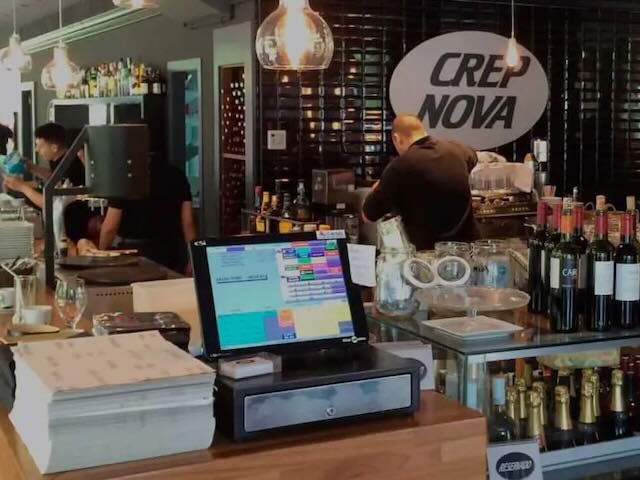
Crep Nova opens its first Madrid location
The Barcelona-based chain begins its capital expansion with a new concept in Chamberí and a strategic partnership with Cobardes y Gallinas.
Crep Nova, a well-established brand in Barcelona since 1982, has officially entered the Madrid market with its first opening on Eloy Gonzalo Street, in the Chamberí district. Operating a network of over 10 locations in Catalonia, the company is targeting Madrid under the new NOVA by Crep Nova concept, a project designed to elevate the brand experience by merging its traditional menu with a refreshed urban identity.
The strategic pillar of this launch is the partnership with Cobardes y Gallinas, a premium free-range egg supplier featured in top-tier restaurants. This alliance strengthens the value of their signature “Nova 15” pizza and is supported by a disruptive marketing campaign. This includes FOOH (Fake Out Of Home) audiovisual content and influencer collaborations aimed at capturing the capital’s young urban audience. According to partner Arturo Longhi, this move is a vital step in building a brand with a distinct personality beyond its home market.
👉🏼 The entry of a major Catalan operator into Madrid’s competitive landscape confirms the ongoing national expansion trend of organized casual dining concepts.
B de Bocata prepares new funding round
The Barcelona-based signature sandwich startup plans to grow its workforce and expand beyond the Catalan market.
Barcelona startup B de Bocata, specialized in signature gourmet sandwiches, is working to close a funding round through a participatory loan. The operation expects the involvement of impact funds such as Open Value Foundation and Catalytic Ventures, complemented by micro-investments via the Goparity platform.
The company currently runs two locations in Barcelona and plans to open a third unit before year-end, alongside its seasonal presence on the Costa Brava. Regarding its human resources strategy, the firm aims to increase its headcount from 14 to 20 employees by 2026. In the medium term, the startup’s roadmap includes expanding its footprint outside Catalonia to scale its urban dining concept.
👉🏼 Securing capital through impact investors highlights a growing trend in the restaurant sector to align urban expansion with social and sustainable management models.
Nestlé to cut jobs in Spain
The multinational launches a redundancy plan for 301 employees to boost operational efficiency and digitize processes.
Nestlé Spain has announced a collective redundancy procedure (ERE) affecting up to 301 positions, representing just over 7% of its workforce of 4,158 people. The measure will impact offices, sales teams, distribution centers, and six production plants located in Pontecesures, Sebares, La Penilla, Miajadas, Reus, and Girona.
This adjustment aligns with the Swiss parent company’s global strategy to cut 16,000 jobs and addresses the need to adapt to rising operating costs and the growth of private labels.
The company aims to move towards a more agile model focused on strategic brands through automation and digitalization to ensure long-term business viability. Nestlé, which reported a turnover of €2,894M in 2025, has expressed its willingness to negotiate measures to minimize the impact on employment during the process
👉🏼 The move highlights the cost and deflationary pressures facing major manufacturers, who are forced to optimize industrial structures to remain competitive against store brands.
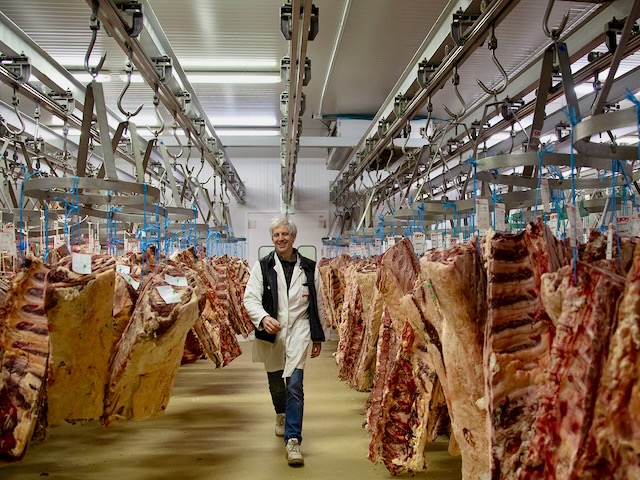
Discarlux acquires premium firm Cárnicas Goya
The company strengthens its high-end beef leadership following Talde’s entry and consolidates its presence in the Horeca channel.
Meat specialist Discarlux, renowned for its high-quality beef cuts, has finalized the acquisition of Guipúzcoa-based Cárnicas Goia. This move is part of the growth strategy launched in 2024 after Talde joined Discarlux’s shareholding, aiming to build a market-leading group in the premium beef distribution segment.
Cárnicas Goia brings a proven track record in selection and aging processes, boasting a strategic footprint in prestigious steakhouses and gourmet retail. Despite the acquisition, both companies will continue to operate independently, maintaining their respective brands, staff, and production units. José Antonio Goya will remain at the helm of the company to ensure the continuity of its core expertise. Discarlux highlights that this integration is a significant step toward expanding capabilities and building a reference group focused on product excellence.
👉🏼 This transaction highlights the ongoing consolidation within the specialty meat sector, as groups move to secure high-quality supply for an increasingly demanding Horeca channel.
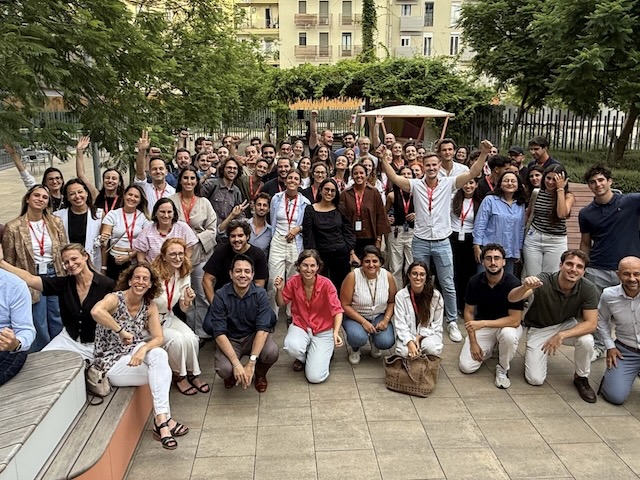
Henkel strengthens logistics hub in Barcelona
The multinational opens a strategic center to coordinate the supply of 8 billion units across Europe.
German multinational Henkel has launched a new Supply Chain Planning Hub in Barcelona to centralize the management of its Consumer Brands division. From this new facility, the company will coordinate the supply of detergents and personal care products for 20 European countries, managing a network of 30 distribution centers and over 15,000 product references.
The facility will serve as the operational brain of the supply chain, integrating production from seven internal plants and 47 external manufacturers. Developed over the last 18 months, the project relies on process standardization and intensive data usage to optimize flows amidst high market volatility. This investment solidifies Spain’s role as a strategic node within Henkel’s European industrial network, complementing existing assets like the Montornès del Vallès plant
👉🏼 The move underscores a growing trend in the FMCG sector to concentrate critical functions within regional hubs to enhance operational efficiency and real-time responsiveness to retail demands.
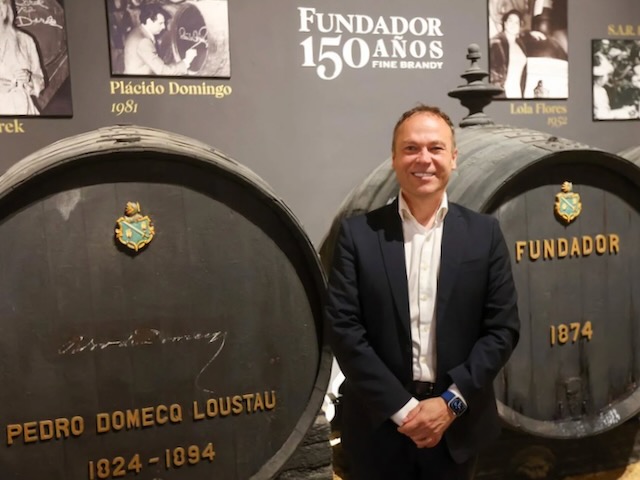
Grupo Emperador takes over its own distribution
The global brandy leader aims for 20% annual growth by targeting Generation Z and refreshing its consumer base.
Grupo Emperador, the Philippine-based world leader in brandy production, has decided to take direct control of its distribution to strengthen the positioning of its spirits brands. With its Spanish headquarters in Cádiz, the firm reported a turnover of €160 million for its Spain-managed operations and is now focused on removing generational biases to make Generation Z its primary growth driver.
The company, which currently sells five million bottles annually in the domestic market, operates 325 hectares of vineyards in Andalusia. While 80% of its volume is destined for export, the remaining 20% is sold within Spain, with Andalusia, Levante, and Catalonia as top consuming regions. The holding, owner of brands like Terry, Fundador, and The Dalmore, targets a 20% year-on-year growth and remains open to future winery acquisitions to bolster its production capacity.
👉🏼 The move to control the entire value chain reflects a broader trend among spirits brands to connect directly with end consumers in an increasingly competitive market.
April’26 + Access the key operations of the month